
AI spurs flurry of open-source acquisitions
Plus: Linux Torvalds tells AI haters to fork off

Hi folks,
This edition’s lead story looks at a wave of AI-driven acquisitions in the open source world, and what it says about where the real competition in the AI stack is actually playing out.
Elsewhere, Linus Torvalds puts his foot down on AI in the Linux kernel; the Linux Foundation gives AI agents a way to pay for things; Apple quietly acquires an open source observability startup; and much more.
As usual, feel free to reach out to me with any questions, tips, corrections, or suggestions: forkable[at]pm.me.
Paul
<Open issue>
AI and the open source land grab
AI is spurring a lot of acquisitions in the open-source realm of late, with the likes of Cursor (itself acquired by SpaceX) snapping up Continue, a model-agnostic open source coding assistant, and Vercel taking on Better Auth, an open source TypeScript authentication library it plans to use as the foundation for a new agent identity protocol.
In the past week alone, three more deals landed. Prefect, the open source workflow orchestrator, acquired fellow Apache Airflow rival Dagster, a move positioned as a bet on owning the governance and execution layer for AI agents. And while Vercel declined to comment on the record, George Fahmy took to LinkedIn to reveal that his open source infrastructure agent Stakpak — which lives on servers, managing deployments and keeping applications running — had joined Vercel.
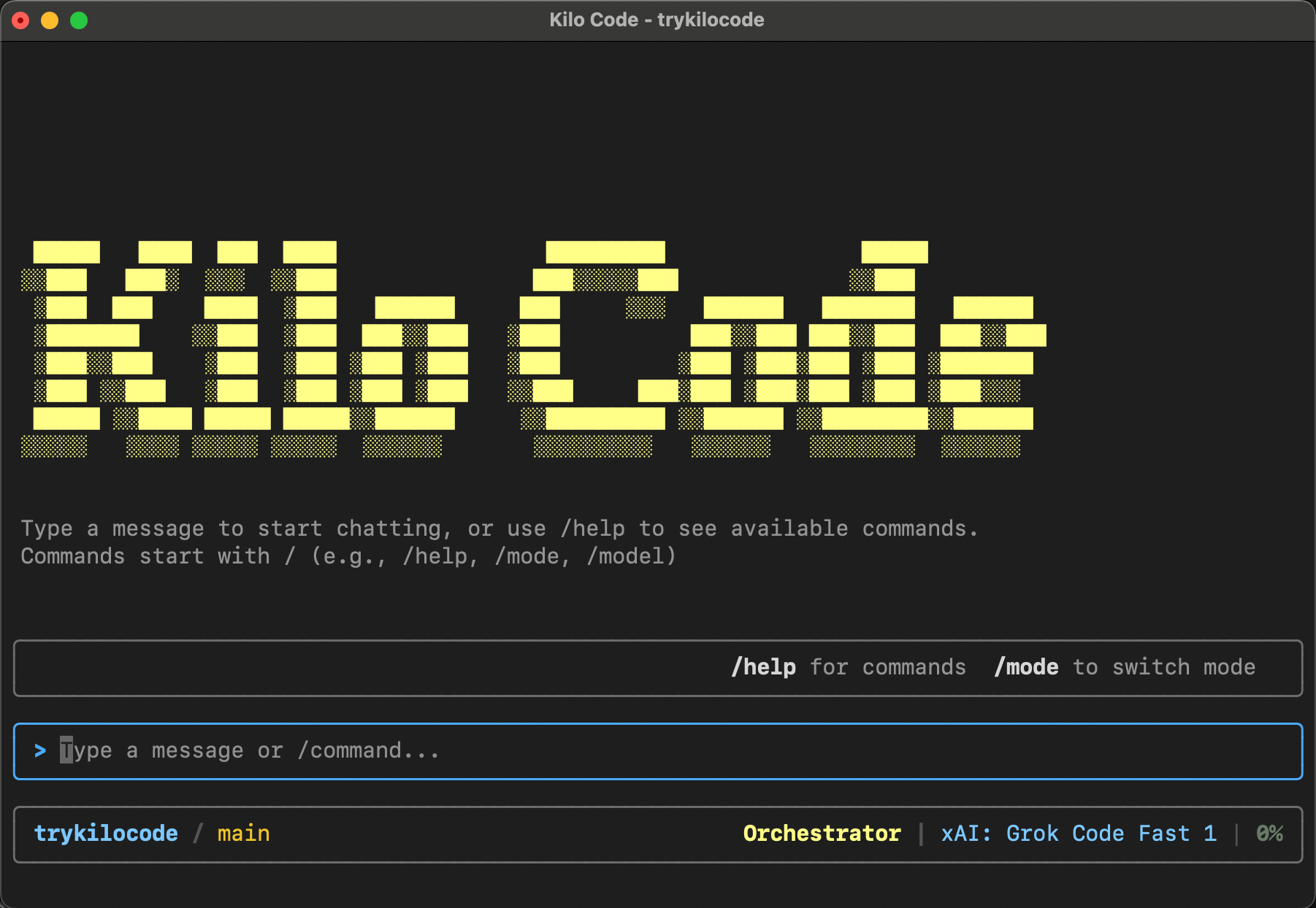
Arguably the biggest deal in amongst all this, though, was Anaconda’s acquisition of Kilo, an open-source startup I’ve been tracking for Forkable and elsewhere since its early days.
Founded by GitLab co-founder Sid Sijbrandij, Kilo is an open source coding agent that lets developers plug in whichever AI model they choose and switch freely as pricing or performance changes — routing close to 10 trillion tokens a month across 500-plus models from more than 60 providers. Anaconda, which has spent more than a decade giving enterprises a governed, auditable way to manage open source Python environments, sees Kilo filling a governance gap it believes most enterprises haven’t addressed.
“Right now, most enterprises pick one of two false options: lock down to a single tool and model provider, or let developers use whatever they want with zero visibility,” CEO David DeSanto told me for The New Stack. “Neither is a real strategy.”
These various acquisitions collectively highlight different layers of the same emerging stack, including agent identity, orchestration, coding, and infrastructure. And in each case, the open source nature of the target was the big selling point. Vercel didn’t build an authentication library from scratch; it acquired one with 4.7 million weekly downloads and a developer community already built around it. Anaconda didn’t build a coding agent; it bought one with 3 million developers already routing 10 trillion tokens through it.
The models themselves stopped being the big blocker a long time ago, and the race now is to assemble the best harness around them — and open source projects, with their built-in communities and developer trust, are turning out to be the fastest way in.
Read more: The New Stack
<Sovereignty watch>
Germany builds its own AI, Swiss Army ditches Microsoft’s
Open source is becoming Europe’s weapon of choice in the sovereignty debate, and two developments this past week illustrate why.
Germany’s Soofi consortium, a group of research institutes, universities and AI companies coordinated by the German AI Association and funded under the EU’s NextGenerationEU programme, has published the pretraining tech report for Soofi S, its open source foundation model for German and English. Model weights are now in a gated beta on Hugging Face ahead of a full open release, with the consortium claiming Soofi S leads among fully open models on both English and German benchmarks, beating models significantly larger than itself.
Meanwhile, Switzerland’s Cyber Command — the unit responsible for the armed forces’ cybersecurity operations — has announced it will replace Microsoft 365 with OpenDesk across all its workstations by October, after its head concluded the software posed an unacceptable risk of data leaking unnoticed to foreign security agencies.
While Switzerland is just the latest in a long line of government bodies ditching Microsoft’s omnipresent productivity software, together these stories point to a dual-pronged approach to reducing reliance on US technology: building sovereign alternatives from scratch, and leaning on existing European open source infrastructure like OpenDesk.
<Patch notes>
‘Linux isn’t an anti-AI project’
Linux creator Linus Torvalds has put his foot down on the Linux kernel mailing list, after some maintainers pushed back on the use of LLMs in kernel development. Torvalds made clear the project would not take an anti-AI stance, telling dissenters they were welcome to fork the project or walk away. Decisions in the kernel community, he said, are made on technical merit, not fear of new tools.
Read more: Linus Torvalds | The New Stack
Linux Foundation gives AI agents a way to pay for things
The Linux Foundation has formally launched the x402 Foundation, a vendor-neutral body governing an open protocol that lets AI agents pay APIs and services per request using stablecoin wallets — no account, no API key, no advance relationship required. Founding members include Google, AWS, Cloudflare, Stripe, Visa, Mastercard, American Express, and Shopify.
Read more: The New Stack
Apple quietly acquired an open source observability startup
Apple acquired the assets and team behind SigScalr, maker of SigLens — an open source platform for collecting and analysing logs, metrics, and traces, positioned as a cheaper alternative to Splunk and Datadog. The deal closed in March but only surfaced via an EU Digital Markets Act filing; SigLens’ GitHub repo has since been archived.
Alibaba takes aim at Nvidia’s software grip
Alibaba’s chip unit T-Head has open-sourced SAIL, a software toolkit that lets developers run AI workloads on its own Zhenwu chips without depending on Nvidia. Huawei made a similar move last year, and both are part of a broader Chinese push to break developers’ reliance on Nvidia’s proprietary software ecosystem, which currently acts as a lock-in mechanism keeping most AI work tied to Nvidia hardware.
Read more: SCMP
Mira Murati’s startup ships its first open-weight model
Thinking Machines, the AI startup founded by OpenAI’s former CTO Mira Murati, has released Inkling — a 975-billion-parameter open-weight model and its first general-purpose release. It put in a competitive showing on agent tasks in benchmarks against the likes of Anthropic, Google, and OpenAI, though closed frontier models still lead overall.
Read more: Thinking Machines
Google open-sources a tool to spot AI you didn’t know was running
Google has open-sourced k8s-aibom, a lightweight Kubernetes controller that continuously scans live clusters to detect AI workloads — inference servers, agent stacks, RAG pipelines — and generates auditable bills of materials. It is aimed at security and compliance teams dealing with shadow AI deployments.
Read more: Google
<Final commit>
Microsoft digs up a 30-year-old IRC curiosity — and open-sources it
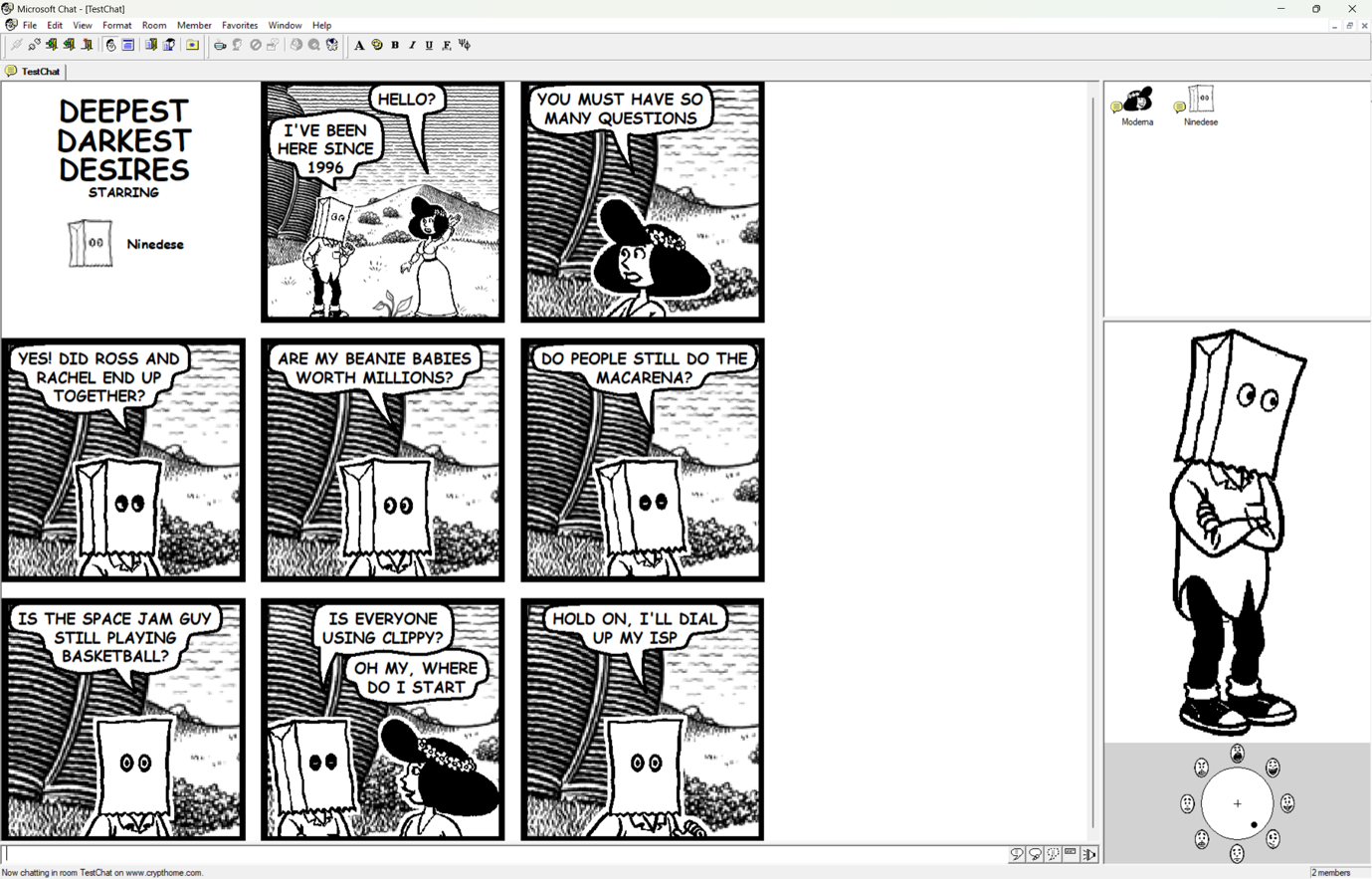
In 1996, Microsoft shipped Comic Chat — an IRC (internet relay chat) that turned text conversations into comic strips, complete with illustrated characters, speech bubbles, and algorithmically assigned expressions. If you typed something angry, your avatar frowned.
But it also happened to be the place that truly “popularised” Comic Sans, which designer Vincent Connare had created two years earlier. The software was quietly forgotten, until Microsoft last week announced it was releasing the original source code on GitHub, some thirty years on.
The codebase is largely untouched, with a handful of AI-assisted updates to get the ancient C++ compiling on modern Visual Studio and running on today’s high-resolution screens. What makes it interesting beyond the nostalgia is the throughline Scott Hanselman, VP at Microsoft/GitHub, draws to today: Comic Chat’s tone-reading was entirely rules-based, with no LLM behind it, yet it “anticipated the idea that software could interpret a conversation and give an avatar expressive behaviour, rather than merely displaying text.”
Clearly nothing to do with generative AI, but something quite aligned with it in spirit.
Read more: The New Stack | Comic Chat