
OpenClaw is now a non-profit foundation
Plus: Sovereignty dominates tech agenda & open-source news galore

Hi folks,
This week's lead story covers the formal launch of the OpenClaw Foundation — the independent body now stewarding one of the year’s biggest open source success stories, and the question of what neutrality actually means when your backers include OpenAI, Microsoft, Nvidia, and Tencent.
Elsewhere, sovereignty continues to dominate the agenda; Godot bans AI-generated code to protect its contributor pipeline; Vercel and Aikido both make strategic open-source acquisitions; and a plethora more.
As usual, feel free to reach out to me with any questions, tips, corrections, or suggestions: forkable[at]pm.me.
Paul
<Open issue>
“The Switzerland of AI”
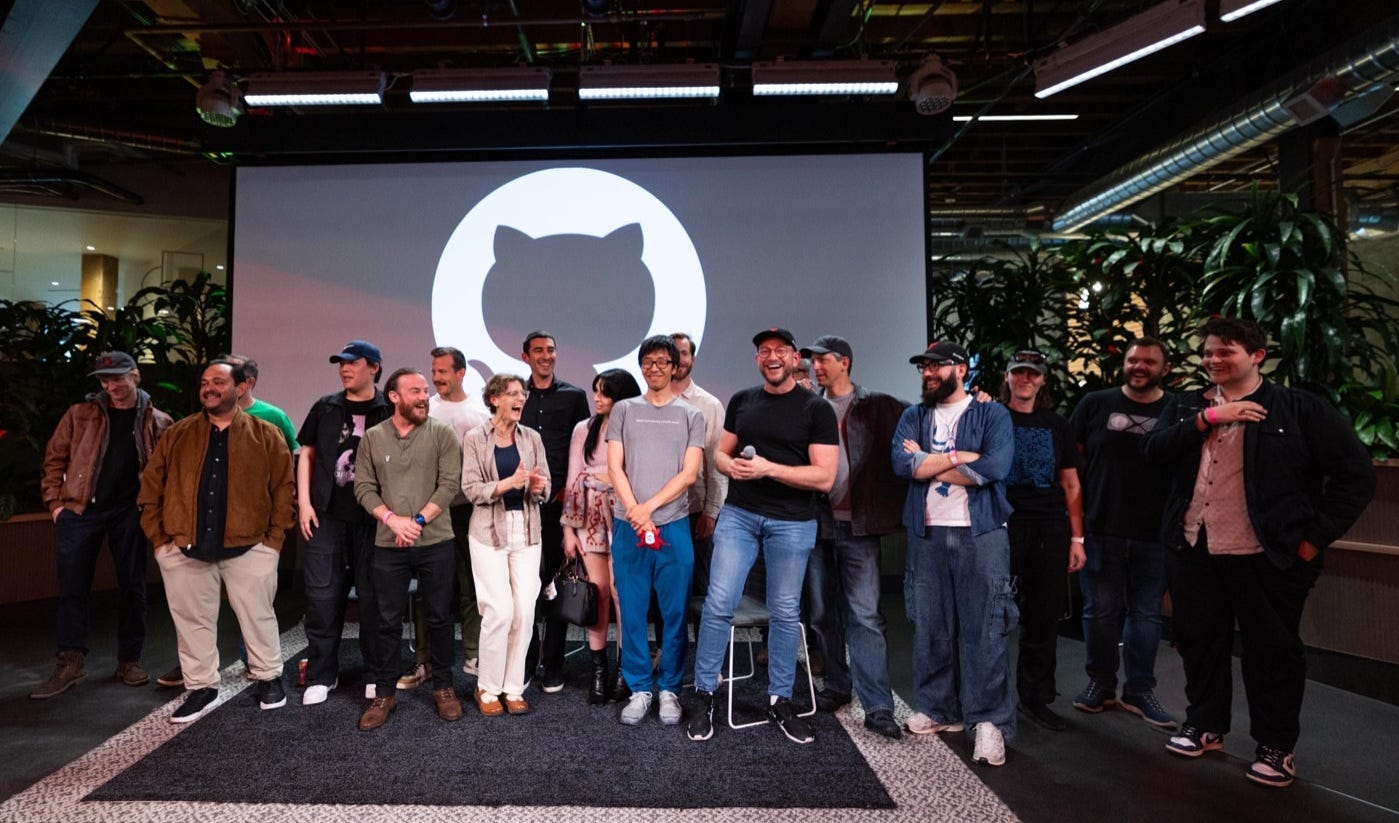
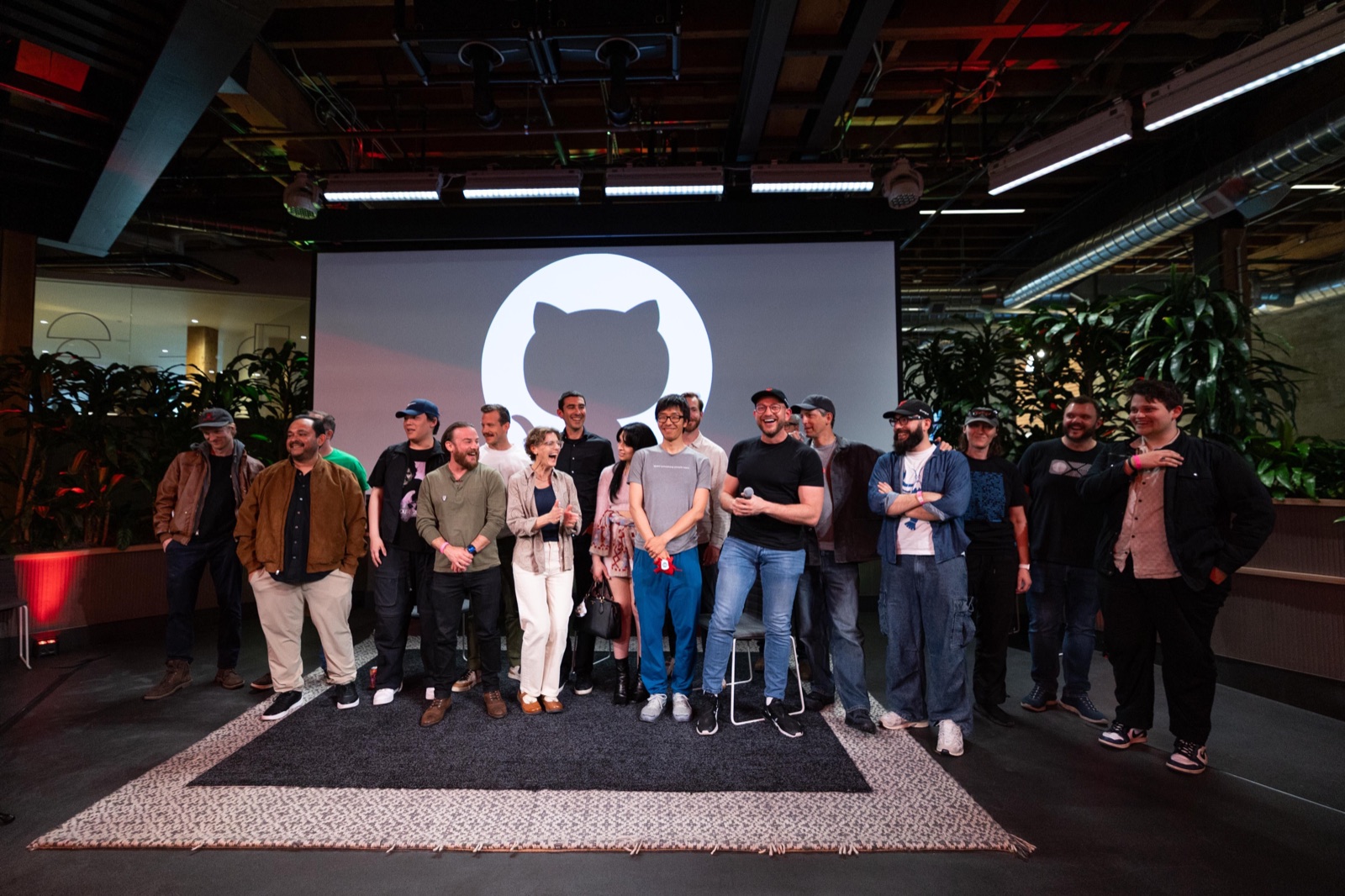
OpenClaw is an open-source, self-hosted AI agent that runs on a user’s own machine, giving it direct access to files, messaging apps, and everyday tools. It has become one of the defining open source success stories of 2026 — its GitHub repository now sits sixth among the most-starred projects of all time, above the likes of Linux and React.
When OpenClaw creator Peter Steinberger joined OpenAI in February, the project’s future looked uncertain. However, Steinberger and OpenAI promised an independent foundation would eventually take stewardship of the project. That foundation has now formally launched, with 501(c)(3) non-profit status in place and a first full-time team of ten hired across engineering and operations.
The OpenClaw Foundation is chaired by entrepreneur and investor Dave Morin, who says he wants OpenClaw to become the “Switzerland of AI” — neutral ground where every model and every lab can collaborate on standards for the agentic era.
“The great open source projects of our time…. endure because a neutral steward stands behind them,” Morin wrote in the announcement.
The question is how neutral that stewardship can realistically be. OpenAI, GitHub, Nvidia, Microsoft, and Tencent are among the project’s main backers, with more than two dozen core maintainers drawn heavily from the world’s largest technology companies.
Morin, however, positions this as a feature rather than a flaw.
“When the largest technology companies and research universities in the world build on a community project and contribute back, that’s the open source flywheel working exactly as intended,” he writes.
It is worth noting that OpenClaw's rapid growth came with real security headaches early on — and the involvement of Microsoft, OpenAI, and Tencent is, in part, a direct response to that. At 4.5 million new self-hosted instances a week, getting governance right is critical.
Read more: The New Stack | OpenClaw
<Sovereignty watch>
Tech independence push gathers pace
Sovereignty continues to gather momentum, particularly in Europe. The US Supreme Court has thrown the EU-US data transfer framework into fresh doubt, after the conservative majority found that the independence of the Federal Trade Commission (FTC) — the body the EU relies on to assess whether US data protections are adequate — is unconstitutional.
Gina Plat, from the Dutch government’s open source programme office (OSPO), said the ruling is "another reason to choose EU alternatives" to US tech services, because without an independent FTC, there is no longer a credible body assessing whether US data protections meet EU standards.
European governments appear to agree. Mecklenburg-Vorpommern became the latest German state to swap Microsoft SharePoint for Nextcloud. And Portugal launched Amália, its first open source large language model, built for European Portuguese.
The sovereignty argument has an massive enterprise dimension too: Palantir's Alex Karp and Mistral's Arthur Mensch both argued that proprietary AI providers are accumulating leverage over the enterprises that depend on them — and the Anthropic Fable ban gave that argument its most concrete example yet.
Read more: NOYB | The Register | Portuguese Govt. | The New Stack
<Patch notes>
Trusted mentors
Godot has updated its contribution policy to bar AI-generated code, citing a longstanding pull request (PR) backlog — but the deeper concern is mentorship: reviewing a human contribution is how the project grows future maintainers, and AI-generated PRs short-circuit that pipeline entirely.
Read more: The New Stack
Vercel bets on agent identity
Vercel has acquired Better Auth, the open source TypeScript authentication library, to build out Agent Auth — a protocol giving AI agents their own scoped, revocable identities rather than borrowing credentials from whoever deployed them.
Read more: The New Stack
Aikido buys its way into in-place open source patching
Belgian cybersecurity company Aikido has acquired Root for $70 million, gaining technology that patches open source vulnerabilities at the exact version teams are already running — no upgrade needed.
Read more: The New Stack
TypeScript gets a speed jump
Microsoft has shipped TypeScript 7.0, rebuilt from the ground up in Go, promising build times roughly 8 to 12 times faster than its predecessor.
Read more: Microsoft
GitHub's ex-CEO is building what GitHub should have been
Thomas Dohmke, who exited the GitHub CEO hotseat last year to found Entire, has launched a distributed Git network that mirrors repositories onto regional infrastructure so agent fleets can clone at scale without hitting centralised rate limits. The Git backend will be open sourced.
Read more: Entire
The open source AI infra bet keeps getting bigger
Together AI, which runs inference for open-weight models such as DeepSeek, Kimi, and MiniMax, has raised $800 million at a $8.3 billion valuation, with annual bookings topping $1.15 billion last quarter as enterprises increasingly route away from closed frontier models.
Read more: Together AI
Ollama nabs $65M as local AI goes mainstream
Ollama, which lets developers run open-weight AI models locally with a single command, has raised $65 million in a series B round of funding. The company says usage has nearly doubled since January to 8.9 million monthly active developers.
Read more: TechCrunch
IBM and Red Hat open Lightwell for business
IBM and Red Hat have commercially launched Lightwell, giving enterprises access to more than 6,500 remediated, digitally signed open source dependencies in Java and Python.
Read more: IBM
GitHub blocks dodgy licences at the PR gate
GitHub launched a licence compliance feature in public preview, which scans pull request dependencies against an enterprise-wide policy and blocking merges where licences don't pass.
Read more: Help Net Security
Linux Foundation adds two strings to its bow
The Linux Foundation has launched Akrites, a coordinated vulnerability disclosure body backed by AWS, Anthropic, Google, Microsoft, OpenAI and 15 others, built to get fixes upstream before attackers can exploit them. Separately, the Foundation this week announced the Open Health Stack Software Foundation, a vendor-neutral home for open source digital health tools backed by Google, Microsoft, the WHO, and UNICEF.
Read more: The New Stack | The Linux Foundation
<Final commit>
300-year-old estate builds open-source wildlife listening network
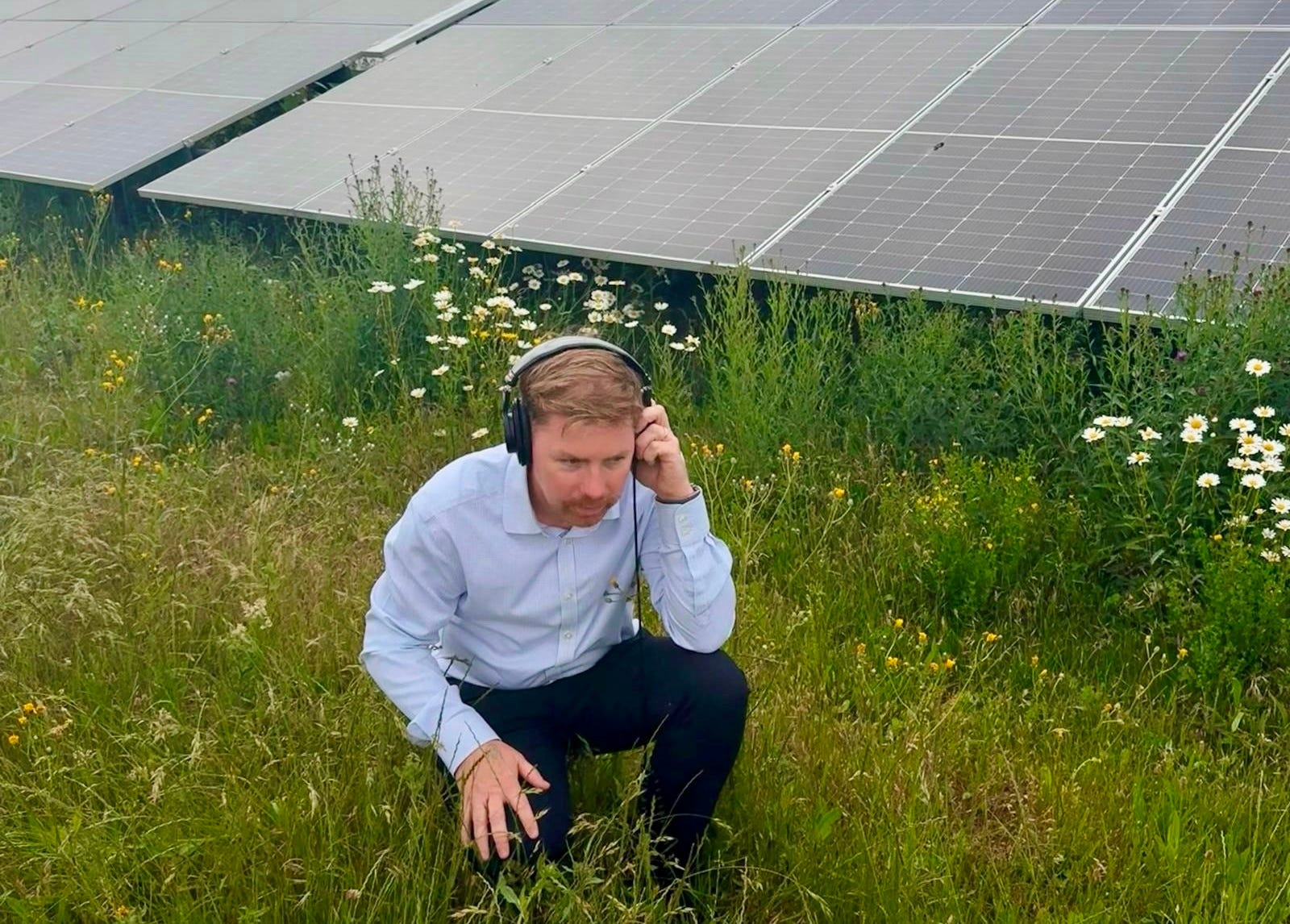
Blenheim Palace, the UNESCO World Heritage Site and birthplace of Winston Churchill, has released an open source wildlife monitoring platform that turns ordinary microphones scattered across a landscape into round-the-clock biodiversity recorders.
The system, called BASE, identifies birdsong, bat calls, bees, and even underground insect activity, feeding the results into a live public dashboard. Rather than building the detection models from scratch, Blenheim's “innovation” team combined existing scientific tools — including BirdNET from Cornell Lab of Ornithology and Chemnitz University of Technology, and BatDetect2 from UCL researchers — with its own models trained on local grasshopper and bush cricket recordings.
"We didn't build the science from scratch; we stood on the shoulders of brilliant researchers around the world and combined their work into something anyone can run," said David Green, Blenheim's Head of Innovation.
The platform is free for schools, citizen scientists, and ecologists to deploy.
Read more: BASE (GitHub)